7 Reasons the Rent-to-Own Model Rocks
Rent-to-own financing gives dealers recurring revenue, lower risk, and happier customers—here’s why it deserves a spot in your offering.
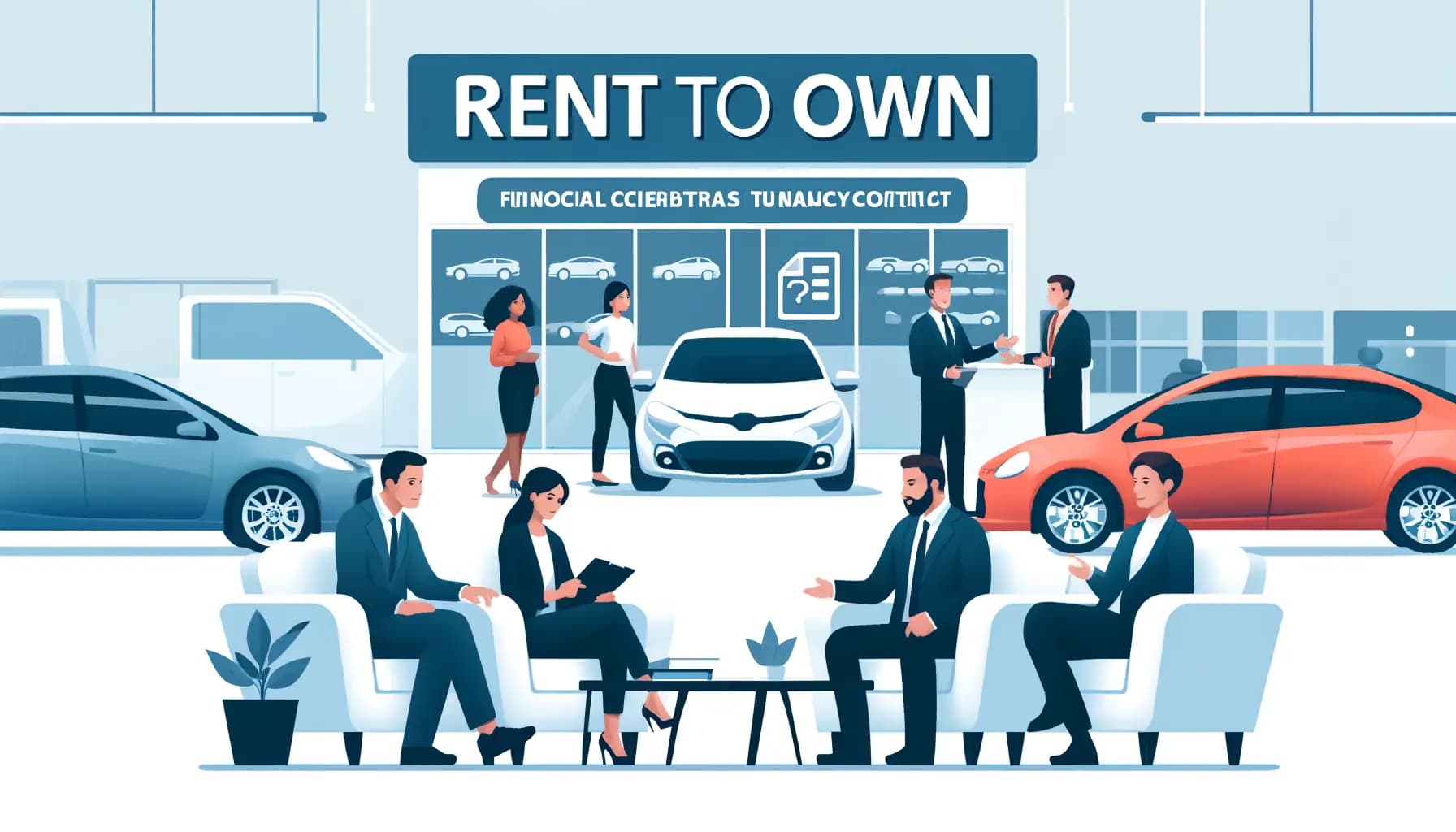
Rent-to-own (RTO) blends the stability of leasing with the flexibility of in-house financing. Dealers keep the title until the customer fulfills the contract, which reduces risk, creates recurring revenue, and provides tax advantages. Customers get predictable payments and a chance to rebuild credit. Here are seven reasons the RTO model rocks—and why DealerClick’s rent-to-own software keeps it on track.
The Problem with Traditional Models
- BHPH exposes dealers to higher charge-offs and bankruptcy risks.
- Lease returns often require OEM restrictions and expensive inspections.
- Cash deals provide one-time revenue without recurring cash flow.
- Without software, tracking RTO contracts and maintenance is labor-intensive.
The Solution: Rent-to-Own
RTO gives dealers asset control, frequent payments, and credit-building opportunities. With DealerClick, you can manage RTO contracts, posted payments, collections, GPS details, and CRM records in one place.
Every market has different RTO guardrails. Texas rooftops juggle 254-county tax rates and bilingual contracts, Florida dealers pair hurricane-readiness plans with DHSMV e-services, Georgia operators navigate Title Ad Valorem Tax (TAVT) and emissions paperwork, and North Carolina stores balance Highway Use Tax with 36% APR caps. Keep those linked location pages close as you scale your rent-to-own program.
1. Reduced Risk & Faster Recovery
Because you retain ownership until the contract ends, repossession is faster and less expensive. You don’t have to go through lien releases or third-party lenders; you simply reclaim the vehicle, recondition it, and resell or re-lease it. GPS or starter interrupt devices (where legal) make recovery smoother, and DealerClick records each account's GPS device and moves the account to repossession status when you reclaim the vehicle.
2. Recurring Cash Flow
Weekly or bi-weekly payments create predictable revenue that you can use for payroll, inventory, and growth initiatives. Dealers often find RTO cash flow steadier than BHPH because payments are smaller and more frequent, reducing customer stress. DealerClick sends scheduled text and email reminders from CRM templates, and every payment you take is posted to the account with a receipt.
3. Lower Exposure to Bankruptcy
Since you own the vehicle, customer bankruptcy doesn’t leave you with unsecured debt. You can repossess the asset and re-market it. This protection makes lenders and investors more comfortable funding RTO programs, especially when they see disciplined processes and software controls in place.
4. Tax Advantages
You’re taxed on actual payments received, not the entire contract amount up front. Combined with depreciation on vehicles you still own, this can ease cash flow and tax liabilities. Always consult your accountant, but many dealers leverage RTO’s tax structure to reinvest in inventory and marketing.
5. Strong Customer Relationships & Credit Building
RTO customers appreciate flexible payment schedules and transparent upgrade/buyout options. When you educate them about budgeting and maintenance, they’re more likely to stay on track. DealerClick keeps each customer's CRM record and sends templated follow-ups, so your team checks in before a payment is missed, driving referrals and loyalty.
6. Inventory Control & Reconditioning Opportunities
Because you retain ownership, you can enforce maintenance schedules, include warranty/maintenance bundles, and recondition vehicles between leases to maximize lifetime value. DealerClick's Parts & Service module keeps the repair orders for each unit, and the inventory record holds its reconditioning and other costs, so you know what a unit has cost you before you rotate or retire it.
7. Scalability & Consistent Policies
As an RTO program grows, scale comes from consistent process. DealerClick keeps deals, account payments, CRM records, and the reports hub and dashboard in one system, so leadership reviews one set of numbers. Write your policies once and hold every team to them.
Rent-to-Own Snapshot
| Benefit | Why It Matters | DealerClick Support |
|---|---|---|
| Risk control | Fast recovery, lower charge-offs | GPS details on each account, repossession status |
| Cash flow | Frequent payments for steady revenue | Payment posting, scheduled text and email reminders |
| Customer loyalty | Credit building, upgrade paths | CRM records, templated follow-ups |
An Illustrative Example
Picture a Georgia dealer adding RTO alongside BHPH. Weekly payment plans matched to customers' pay cycles, clear buyout terms and early follow-up on late payments are what keep delinquency down and referrals coming. In DealerClick, the RTO and BHPH accounts sit in the same system: payments posted to each account, GPS and insurance details recorded, and text and email follow-ups sent from CRM templates.
Regional RTO resources
- Texas dealer software: Automates bilingual lease packets, TxDMV/eLIEN filings, and 254-county tax logic for large rent-to-own portfolios.
- Florida dealer software: Keeps DHSMV e-services, hurricane continuity, and 67-county surtax calculations synced with RTO workflows.
- Georgia dealer software: Handles TAVT, 13-county emissions requirements, and Atlanta metro marketing so weekly payment plans stay compliant.
- North Carolina dealer software: Aligns Highway Use Tax, ELT submissions, and 60-day temp tags with your RTO contracts and collections processes.
Conclusion
Rent-to-own financing unlocks recurring revenue, lower risk, and better customer experiences—especially when powered by software built for frequent payments and asset control. DealerClick’s RTO platform keeps contracts, account payments, collections, and CRM in one system so your team can focus on growth. Ready to implement RTO? Let’s build your roadmap.
Frequently Asked Questions
How is RTO different from BHPH?
In RTO, you retain ownership until the lease concludes, so repossession and tax treatment differ. BHPH transfers ownership at sale, creating different legal and accounting considerations.
How do I report payments to credit bureaus?
Work with a reporting service that accepts dealer data furnishers, and get the customer's written consent in the contract. Always comply with FCRA requirements.
Stay Updated
Get the latest auto dealer insights delivered straight to your inbox.
No spam. Unsubscribe anytime.