How to Sell Used Cars on Facebook Marketplace in 2025
Turn Facebook Marketplace into a dependable lead source with best practices for pages, listings, geography, and live chat workflows that feed DealerClick CRM.
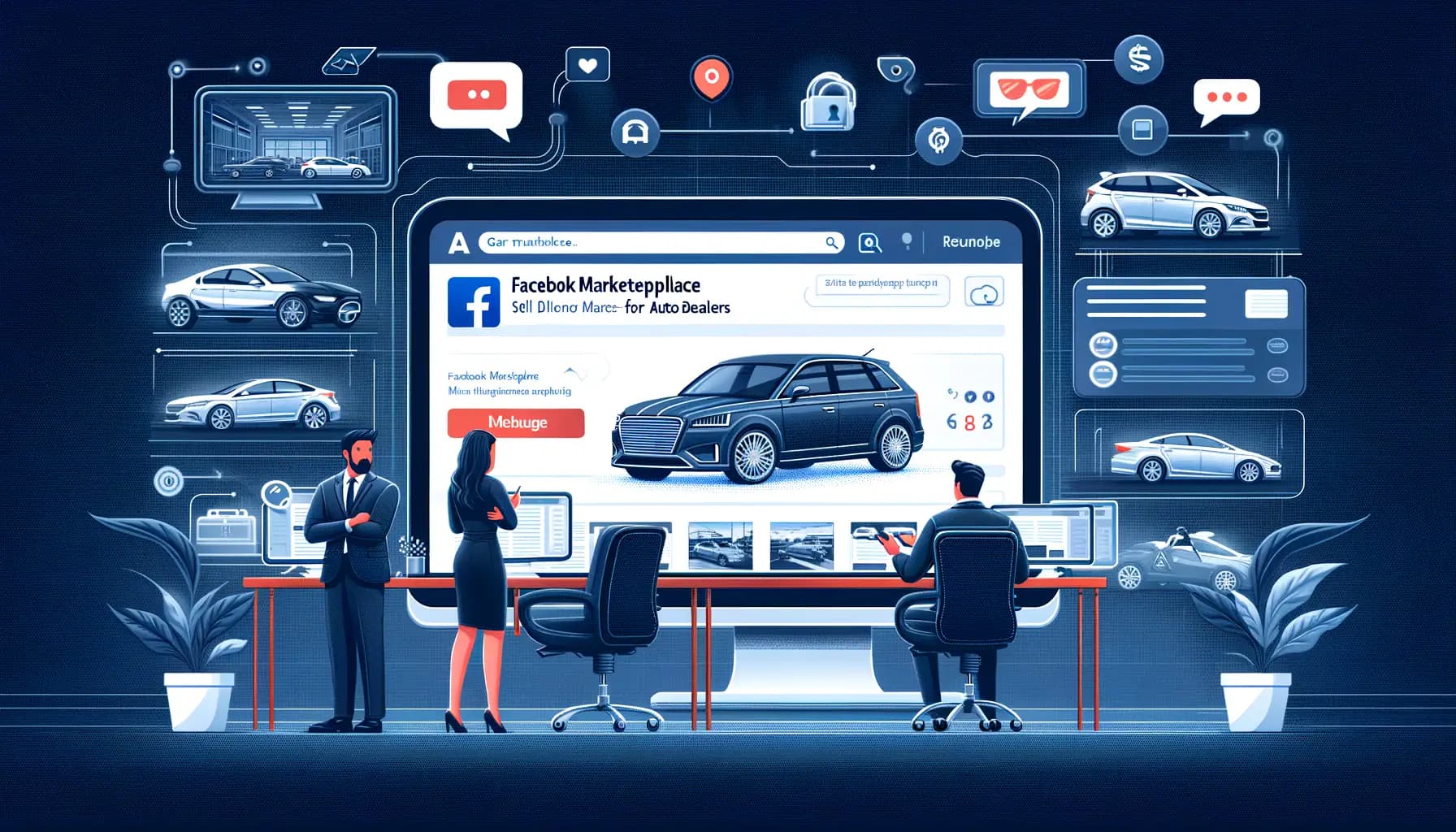
Two-thirds of shoppers browse online before ever stepping foot in a showroom—and a large share now start on Facebook Marketplace. Dealers who treat Marketplace like a digital lot see steady leads; those who “set it and forget it” get buried by low-quality listings. This guide walks you through a scalable process that ties Marketplace activity into DealerClick CRM so sales and BDC teams move fast, stay compliant, and close more deals.
The Problem
- Manual listing workflows steal hours from sales and marketing teams.
- Inconsistent photos and descriptions erode trust and invite “Is this available?” messages.
- Leads from Marketplace often sit in inboxes because they don’t sync into the CRM.
- Shoppers span multiple states, so reps waste time on buyers unlikely to visit.
- Slow response times cause prospects to jump to the next listing.
The Solution
Standardize your Marketplace operations: optimize your Facebook Business Page, automate inventory feeds, localize listings, and route every lead into DealerClick. Pair those systems with live chat SOPs so teams reply within minutes. Treat Marketplace like any other high-intent channel and the results follow.
Key Benefits
- Faster listing creation: Automated feeds keep inventory fresh without retyping specs.
- Higher-quality leads: Listings follow brand guidelines and feature verified details.
- Better follow-up: Messenger conversations sync into DealerClick CRM for full visibility.
- Local relevance: Geo-targeting reduces wasted conversations with out-of-market buyers.
- Improved customer experience: Live chat + automation deliver instant responses 24/7.
How It Works
1. Build a Facebook Business Page That Acts Like a Digital Showroom
Treat your page as the hub for all Marketplace activity:
- Branding: Use consistent logos, dealership photos, and cover images that reflect your stores.
- About & Services: Include hours, phone numbers, website links, and a list of services (sales, finance, service center).
- Content cadence: Share weekly posts (inventory highlights, customer stories, service promos) to keep the page active and signal credibility.
- Reviews: Encourage recent customers to leave reviews on Facebook; showcase top testimonials with images for social proof.
- Messenger setup: Configure automated greetings and FAQ responses so every inquiry receives an immediate acknowledgement.
- Cross-promotion: Link to
/locations/[state]pages and relevant blog posts such as 12 dealership marketing strategies to build authority.
2. Automate Listings and Maintain Quality
Decide whether to list manually or use a feed partner. For most dealers, automation wins:
- Manual workflow: Use a template for titles, pricing, descriptions, and disclosures. Capture 8–12 high-res photos, include VINs, and highlight value props (warranty, free delivery). Post to Marketplace and relevant local buy/sell groups.
- Automated workflow: Send the vehicles you choose from DealerClick inventory to Facebook Marketplace through the inventory advertising feed, and keep price, mileage, and trim complete on each unit so listings stay accurate. Tag the links you share with UTM parameters to see which listings produce traffic in your web analytics.
- Quality control: Audit listings weekly to ensure photos load correctly, descriptions mention unique selling points, and old vehicles are removed immediately.
3. Localize and Target the Right Buyers
- Location settings: Assign accurate locations to each listing; specify the city/metro area served.
- Radius targeting: Focus on a realistic radius for in-person visits (e.g., 50–100 miles). For high-demand vehicles, expand radius but mention delivery options.
- Local branding: Mention community involvement, bilingual staff, or local financing programs to build trust with nearby shoppers.
- Geographic segmentation: Use local market insight to tailor copy—reference local weather, tax incentives, or commute needs.
4. Master Messenger and Live Chat
- CRM integration: DealerClick routes Marketplace Messenger threads into the CRM, so each conversation becomes a CRM record with a source tag like “Marketplace – Messenger.”
- Response SOPs: Aim to reply within five minutes. Provide staff with scripts (qualifying questions, trade-in prompts, appointment CTAs).
- Chatbots for off-hours: Deploy AI or Facebook’s automated responses to gather contact info when the team is offline. Make sure those leads reach the CRM so morning follow-up is prioritized.
- Training: Coach reps on tone, transparency, and when to pivot from chat to phone/video calls. Monitor transcripts weekly to improve scripts.
5. Track Performance and Iterate
- KPIs: Monitor leads per week, response time, appointment set rate, show rate, and sold units. Segment by vehicle type and geography.
- Content testing: Experiment with photo styles (lifestyle vs. studio), video clips, and description formats. Document winners.
- Feedback loop: Log objections (payment concerns, location issues) on the CRM record to refine targeting or offers.
- Compliance: Ensure listings include required disclosures (doc fees, dealer info) and follow Facebook’s automotive policies.
Marketplace Checklist
| Step | System Tie-In | What to Measure |
|---|---|---|
| Business Page setup | Brand assets + CRM links | Follower growth, engagement |
| Inventory feed automation | Inventory module + UTM links | Listing accuracy, lead volume |
| Messenger routing | CRM automation + workflows | Response time, appointments |
| Live chat training | Scripts stored in CRM | Conversation quality, CSI |
An Illustrative Example
Picture a mid-sized Texas dealership posting to Marketplace through DealerClick and assigning a dedicated BDC pod to Messenger. They hold a five-minute response SLA, use a chatbot after hours, and work every Marketplace thread from the CRM. Each week they compare leads, appointments, and sold units from Marketplace against their paid channels.
Regional Marketplace game plans
- Texas dealers: Highlight bilingual staff, 254-county tax accuracy, and TxDMV/eLIEN speed in every listing so shoppers in Dallas, Houston, Austin, and San Antonio trust your follow-up.
- Florida dealers: Emphasize hurricane-ready service hours, DHSMV e-services, and 67-county surtax transparency to win Orlando, Miami, and Tampa buyers comparing delivery options.
- California dealers: Call out CARB-compliant reconditioning, CDTFA tax calculations, and multilingual messaging for Los Angeles, Bay Area, and Central Valley audiences.
- North Carolina dealers: Mention Highway Use Tax handling, emissions/inspection readiness, and 60-day temp tag workflows to reassure Charlotte and Raleigh shoppers that you can close fast.
Conclusion
Facebook Marketplace rewards dealerships that treat it like a core sales channel, not an afterthought. Build a professional business page, automate listings, focus on local relevance, and connect Messenger directly to DealerClick so every inquiry gets the attention it deserves. Combine those steps with disciplined live chat SOPs and you’ll turn Marketplace into a predictable source of showroom traffic.
Frequently Asked Questions
Do I need a listing partner, or can I post manually?
Smaller lots can start manually, but once you exceed 15–20 listings it becomes inefficient. A feed integration ensures accuracy, removes sold units automatically, and saves hours each week.
How fast should I reply to Marketplace leads?
Aim for under five minutes during business hours. Facebook ranks sellers with fast response times higher, and shoppers move on quickly if they don’t hear back. Use Messenger’s automated greetings and the CRM follow-ups in DealerClick to meet that SLA consistently.
Stay Updated
Get the latest auto dealer insights delivered straight to your inbox.
No spam. Unsubscribe anytime.